Assisted reproduction is the possibility of achieving pregnancy naturally has not been possible to achieve this through treatments (known as assisted reproductive techniques), that include the manipulation of both oocytes as sperm cells or human embryos.
In CGYRA we have different options ranging from the least complex to the most complex. The option that our doctors choose, it will be completely personalized and it is considered as the best for your situation, trying to be as natural as possible.
Coitus
Synchronizes sex at the most fertile time of ovulation, increasing the chance of pregnancy.
Synchronizes sex at the most fertile time of ovulation, increasing the chance of pregnancy.
Indicated in patients with fallopian permeable and ejaculates normal. It can be naturally in your menstrual cycle or with ovarian stimulation controlled. The percentage of success is 10% to 15%.
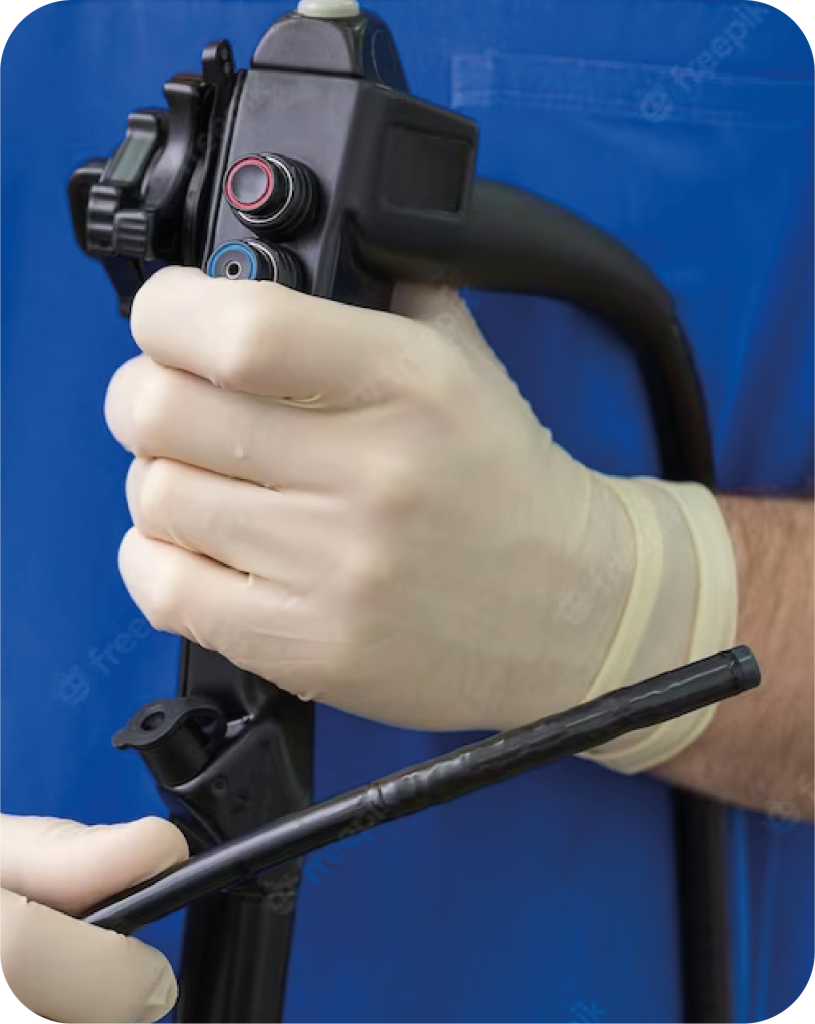
It is the exploration of the uterine cavity by means of a tiny camera (hysteroscope), which is inserted vaginally, to detect or rule out abnormalities that have prevented the pregnancy. Also hysteroscopy is a surgical procedure, when performed by an intervention as a treatment of the pathology that causes the infertility. Indicated:
Septum uterine
Removal of an intrauterine device translocated
Uterine fibroids submucosal
Polyp endometrial
Occlusion cornual
Sinequias uterine traumatic or infectious (tuberculosis)
Uterine malformations (Malformations Müllerianas)
Surgery through a tiny camera (endoscope) that is inserted through small holes in the abdomen, which allows you to visualize and give treatment in abdominal and pelvic organs (uterus, fallopian Tubes, and ovaries). Indicated:
•Uterus: Fibroids, malformations müllerianas, suspected uterine perforation, removal of intrauterine device translocated.
•Fallopian tubes: tubal Pregnancy, hidrosalpinx, abscesses tubarios, adhesions, endometriosis, permeability, tubal, pelvic inflammatory disease, tubal ligation.
•Ovary: benign and malignant Tumors, Polycystic ovary disease resistant to treatment, capture ovulate for cycles of In Vitro Fertilization, GIFT, ZIFT, oophorectomy.
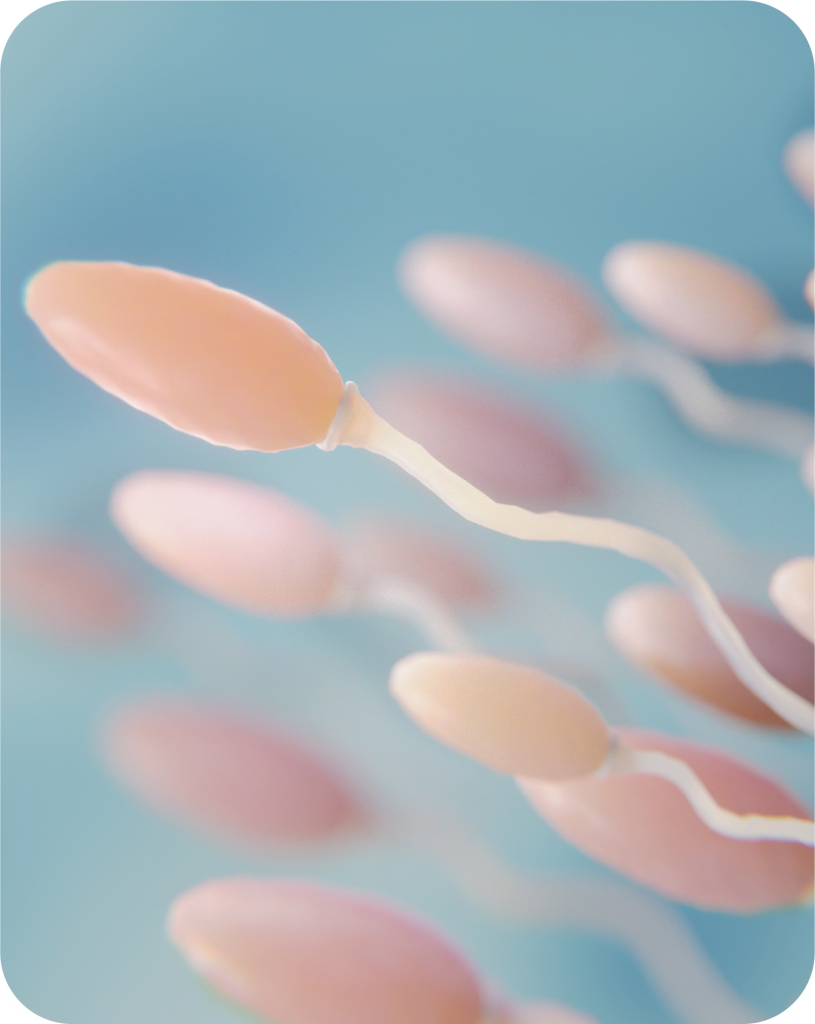
Is the placement of the best sperm inside the uterus, with better mobility and morphology selected in the laboratory, to achieve a pregnancy.
Indicated in patients with fallopian permeable, ejaculates and normal mobility, morphology, and moderate concentration. Can be performed with a sample of spouse (homologous) or a donor (heterologous). The success rate is 24%.
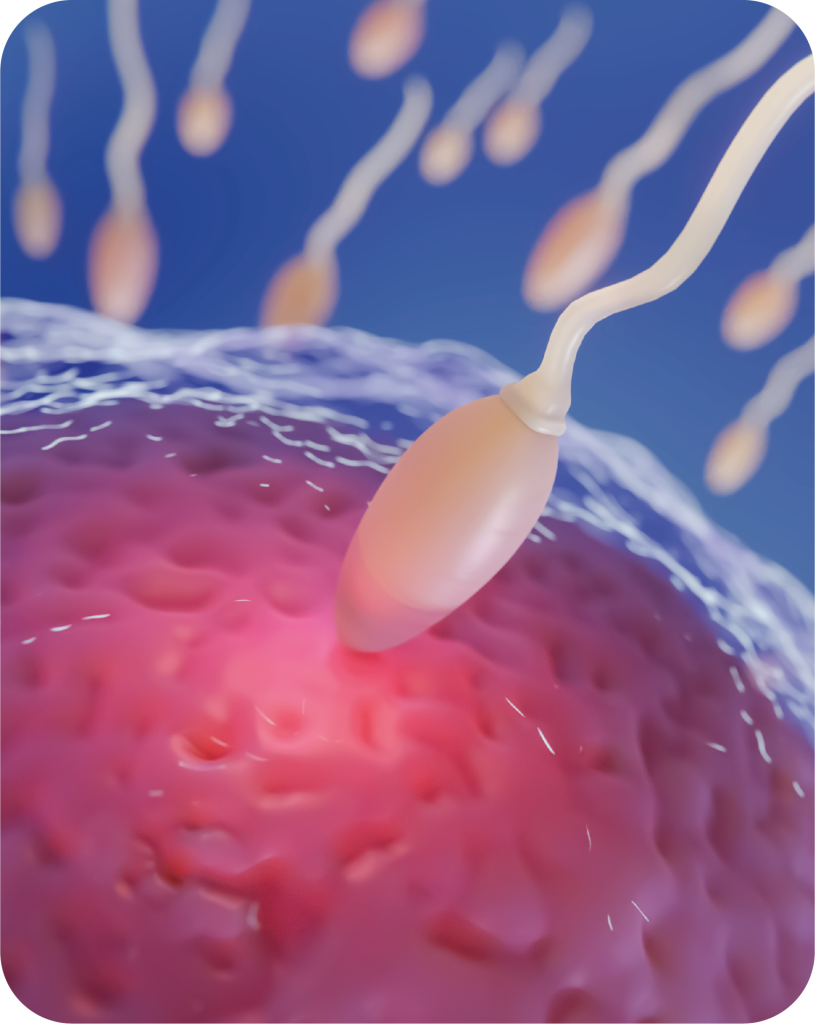
It is the fertilization of the egg and the best sperm selected within the laboratory, to develop optimal embryos to achieve pregnancy.
Indicated for patients with failure of intercourse scheduled, failure of insemination, artificial, fallopian not permeable, low ovarian response, age factor, polycystic ovary, miomatosis uterine insemination doses and normal mobility, morphology, and moderate concentration, etc
Stages of IVF:
• Ovarian stimulation controlled
• Aspiration of oocytes
• Obtaining and training sample sperm
• In Vitro Fertilization
• Embryonic development
• Transfer of embryos to the uterus
The rate of fertilization with IVF increases up to 95%.
The success rate varies depending on the infertility factor of each patient.
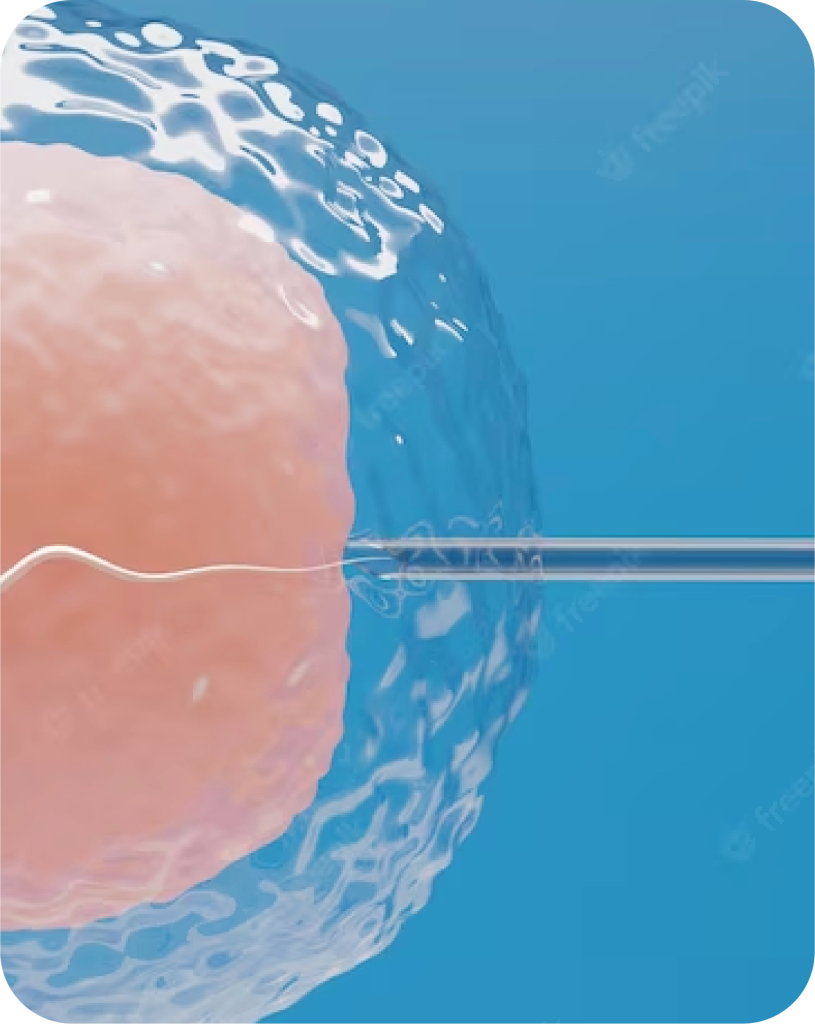
ICSI is the microinjection of a single sperm into an egg, through a microaguja with a team of microinjection, in such a way that forced the entry of the sperm. The eggs should be optimal and mature.
Indicated for patients with sperm of low concentration, motility and morphology; also for patients with vasectomy, samples obtained from a testicular biopsy (TESE) or retrograde ejaculation. The rate of fertilization with ICSI increases up to 75%.
The success rate varies depending on the infertility factor of each patient.
One of the add-ons ICSI is the selection's physiological sperm by means of an enzyme called hyaluronate; this enzyme is naturally found in the zona pellucida of the egg, and select the best sperm. Within the laboratory is selected to the sperm drops hyaluronate, in such a way that the sperm from sticking to the droplets are we going to take to make the ICSI, this is called PISCI (Physiological Intracytoplasmic Sperm Injection). Selecting the mature sperm with less DNA fragmentation and increasing the pregnancy rate and decreasing the chances of miscarriage.
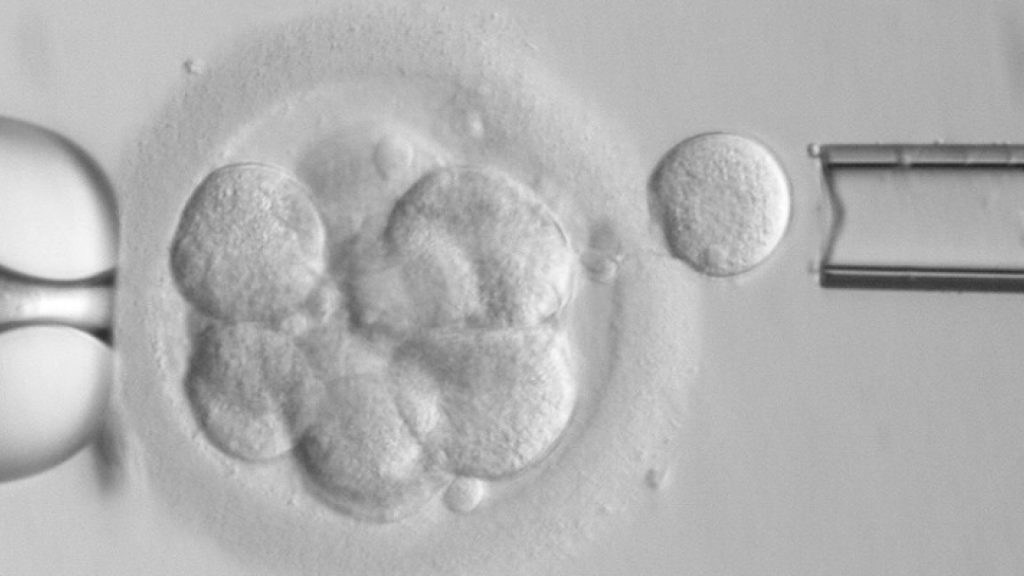
Also known as a Biopsy of Blastómera or Biopsy Embryo, it is a process that involves removing cells of the embryo (blastomeres), for analysis and reporting the status of each of the embryos, with the aim to select healthy embryos for transfer to the uterus.
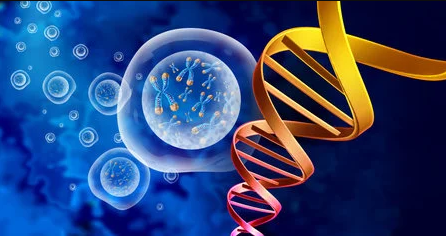
Performed in embryos from couples at risk of transmitting to their offspring chromosomal abnormalities or genetic.
Other advantages offered by the DGP are:
• A 99% certainty of knowing the sex of the embryo
• Decreases the risk of abortions
• Increases the rate of pregnancy
Sex selection can be done through two methods:
• Method of Ericsson. Laboratory process that allows to differentiate sperm carrying y-chromosome (male), of the X-chromosome (female). Is that the sperm of a sample previously obtained, “swim” in gradients of albumin (liquid and protein), where the y-chromosome tend to move faster. Once identified, the selection is made by obtaining a concentrate of sperm with chromosome desired.
It is necessary to Artificial Insemination to deposit the sample of the sperm can be obtained.
Offers a 70% effectiveness to choose the sex.
• DGP. In this process we are studying two or more embryos made previously by IVF to get to know their sex, and at the same time, to detect a medical condition that is genetic.
It offers a 99.8% effectiveness when choosing the sex.
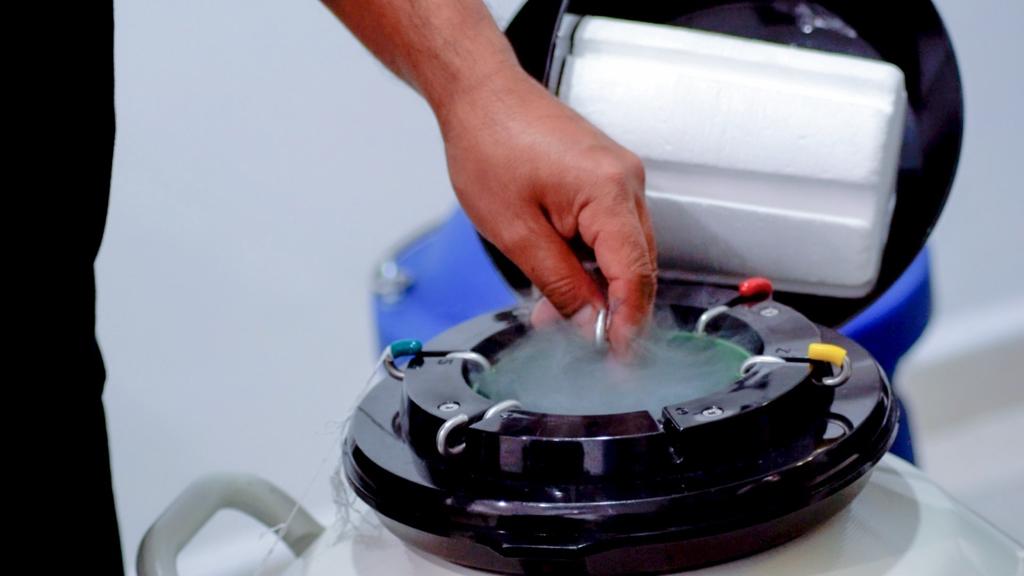
Technique of fertility preservation that allows you to postpone the reproductive capacity of a woman to the time you want, with the same possibilities as in the time of vitrifican the oocytes or embryos.
This technique is indicated for:
• Women who for any reason you want to postpone motherhood.
• Patients undergoing oncological and non-oncological that they are receiving treatments gonadotóxicos.
• Women who have received repeat surgery on the ovary. For example, by endometriosis.
• Patients in whom it is required to perform the embryo transfer in a cycle different from that of the stimulation.
• Risk of ovarian hyperstimulation syndrome (OHSS), the appearance of polyps, hidrosálpinx or hidrómetras, the absence of spermatozoa, among others.
Technique of preservation of fertility by freezing the sample sperm to your store, and subsequently, its use in an AI or IVF, while preserving their ability fertile.
Service available to the eggs and sperm of good quality, previously cryopreserved, to be used as add-on AI or IVF (as the case may be of the couple), and increase the odds of success in obtaining a pregnancy.
It is indicated in cases when the woman has low ovarian reserve, mostly due to the age factor. And in men, when they have performed the vasectomy, or the result of semen analysis reflects